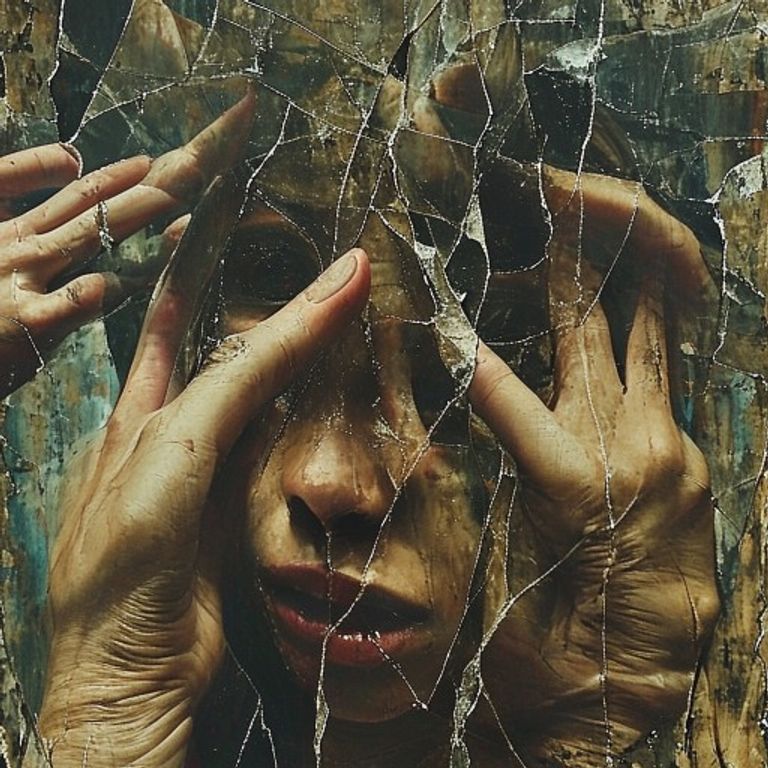
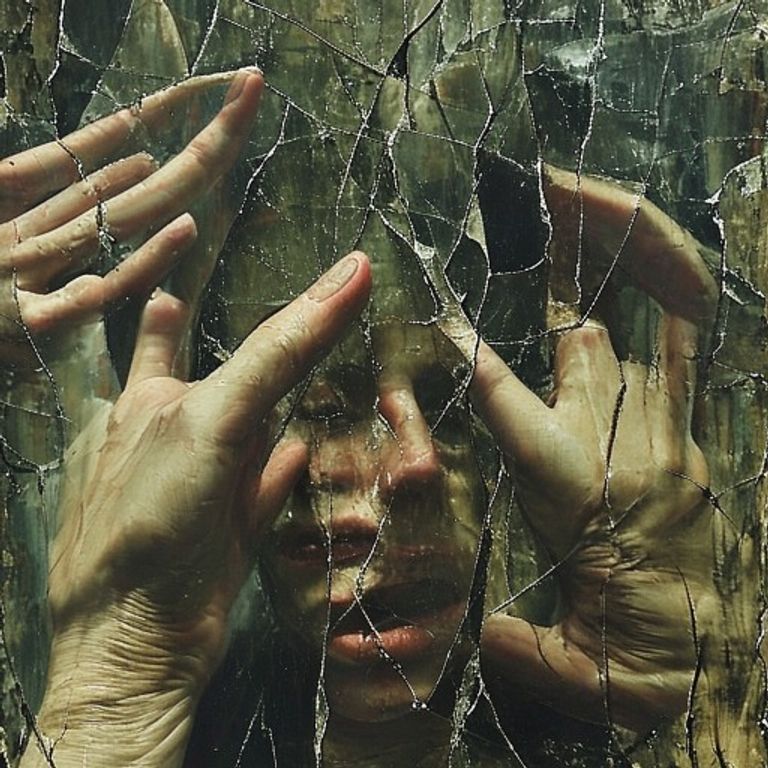
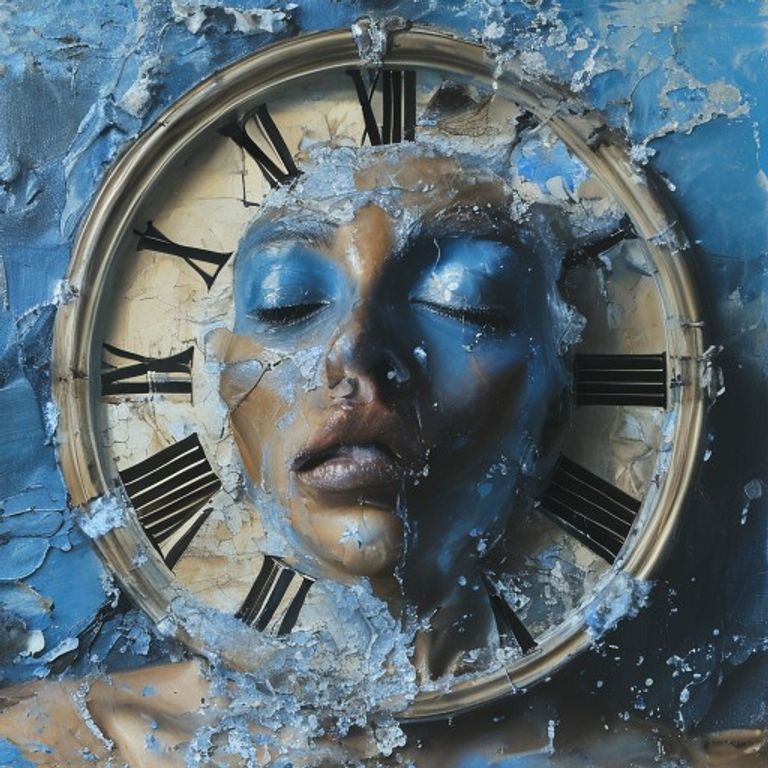
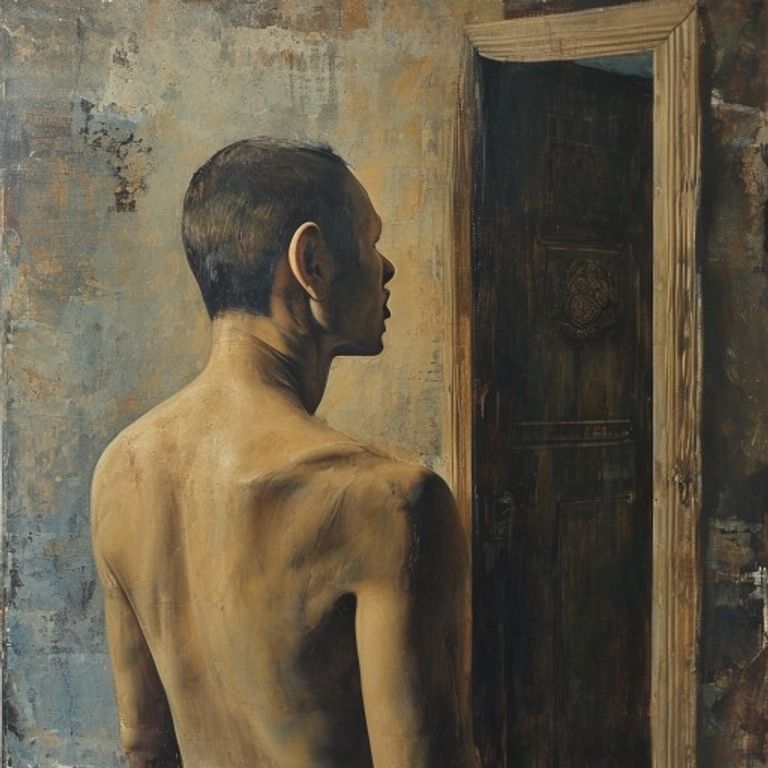
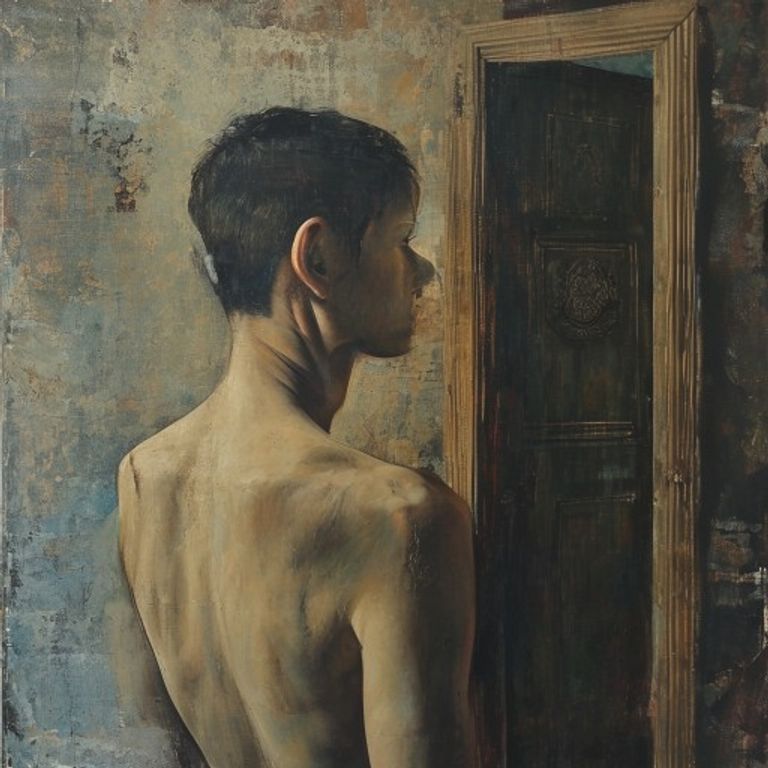
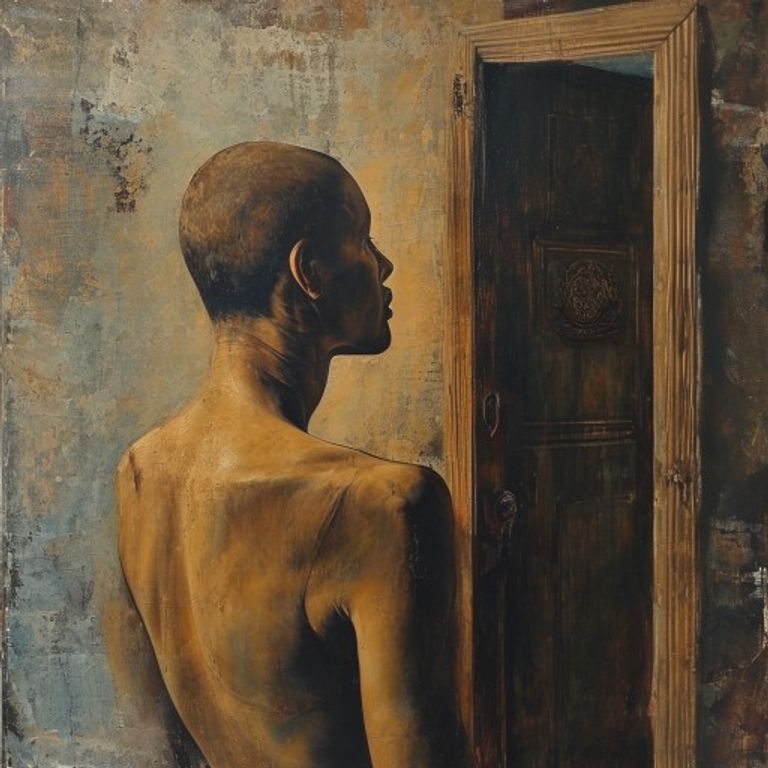
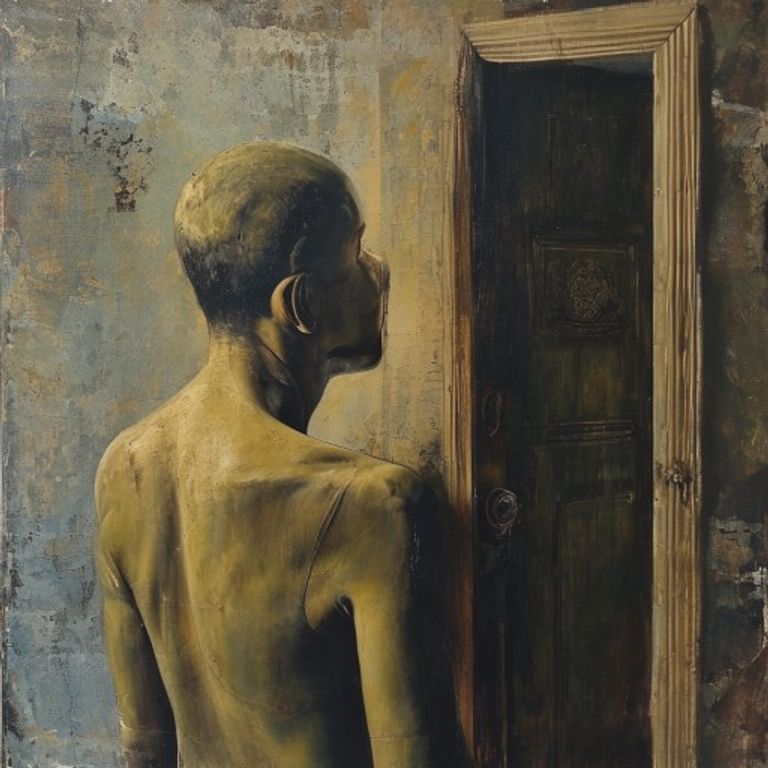
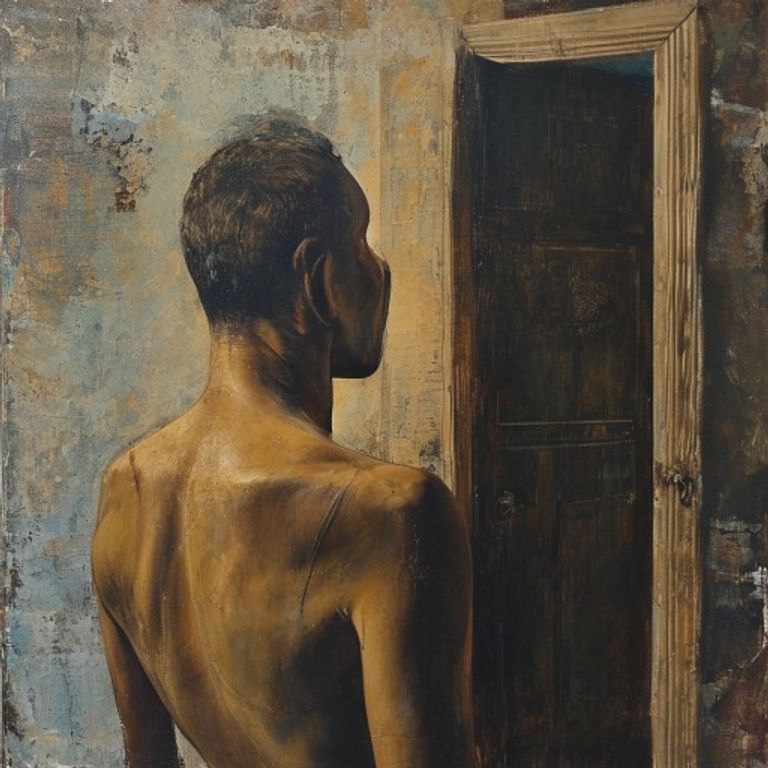
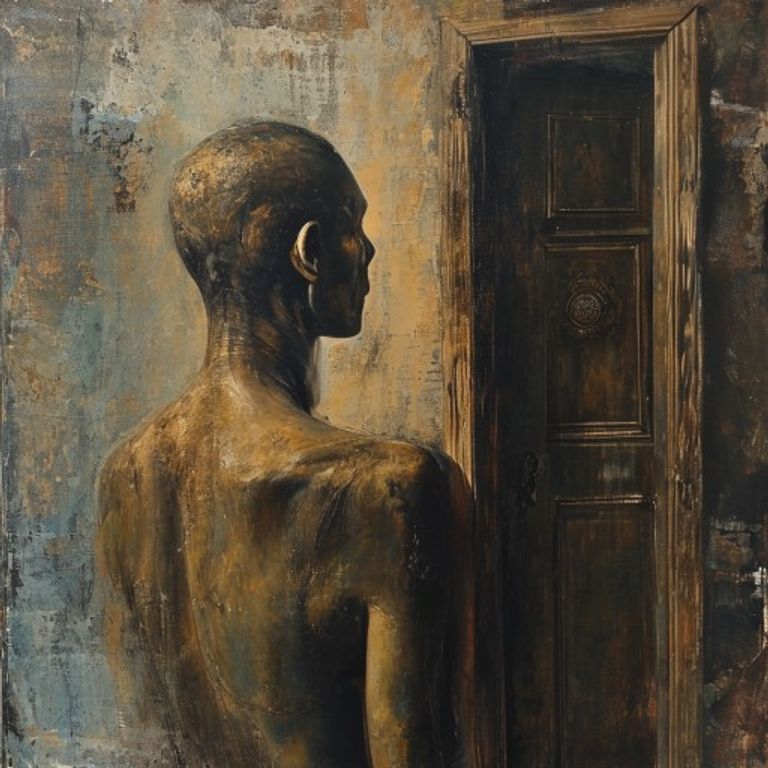
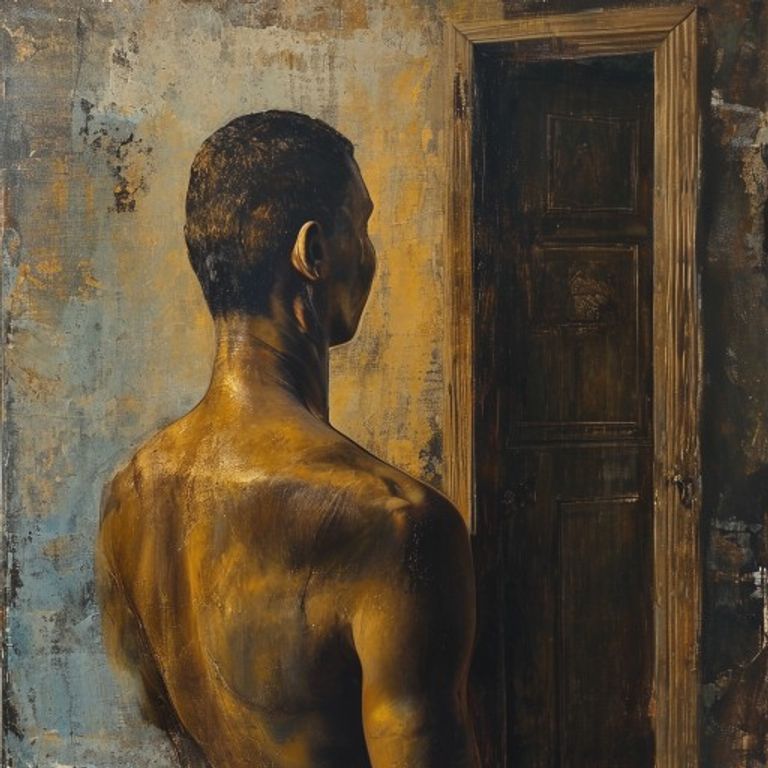
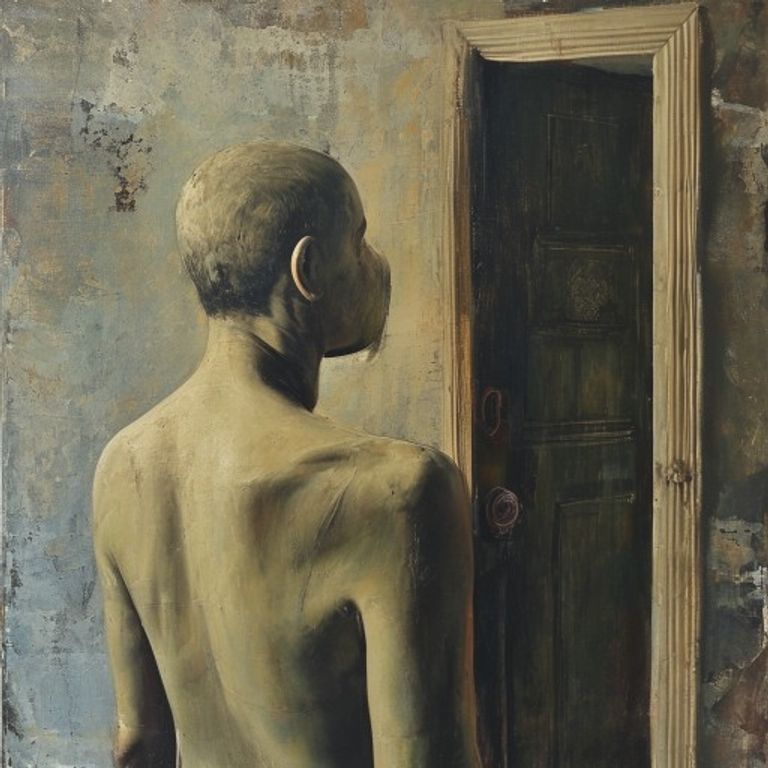
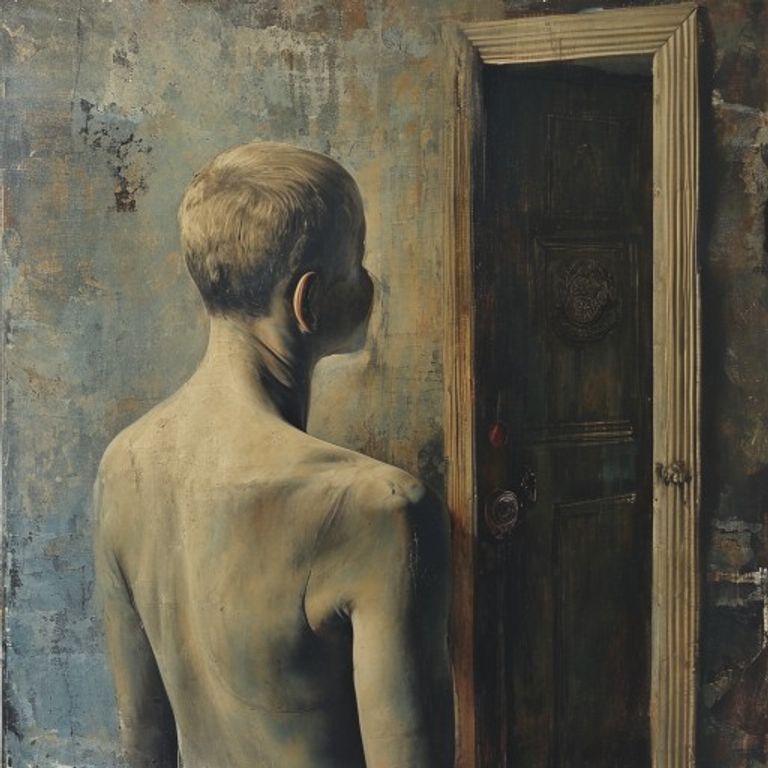
Rendered with the live prompt and seed logic. Each poem locks one heritage descriptor
for its whole life, so the same person stays consistent across every refresh, and abstract poems are
left untouched. The new 12 entry pool names explicit regional features, which paint distinct
ethnicities far more reliably than skin tone words on their own. Below: a fresh set across several
sample poems, with dedicated Latina and Indian sections showing range.
Latinas
Descriptor: Latin American features, varied skin tones, across five different poems.
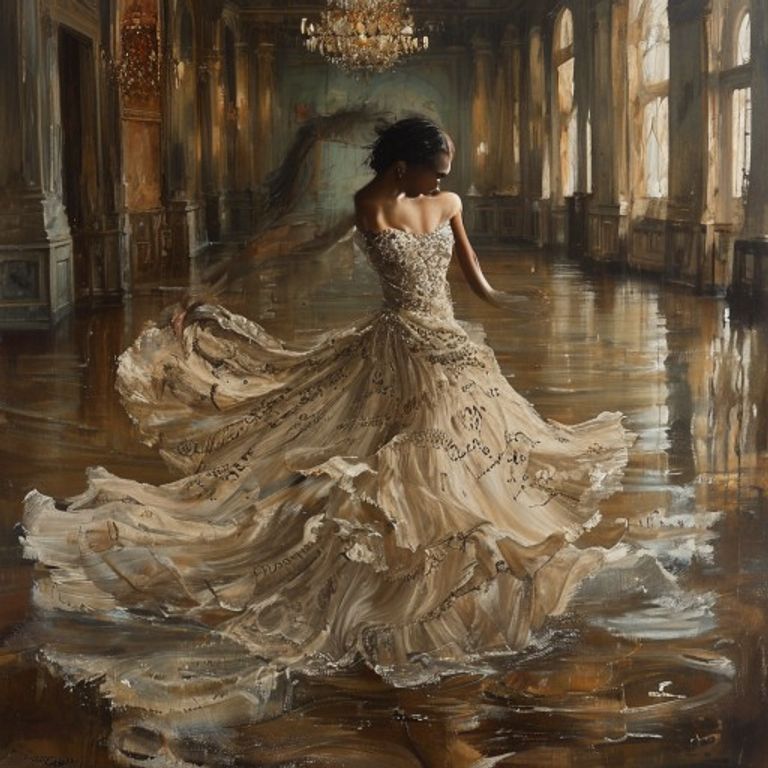
"She dances alone in the flooded ballroom"
tan skin, Latin American features
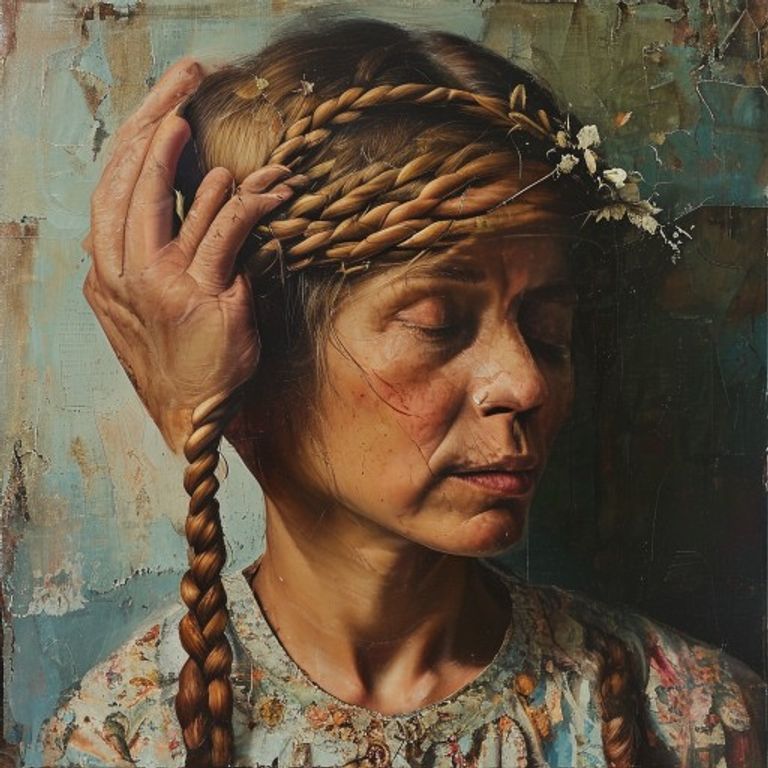
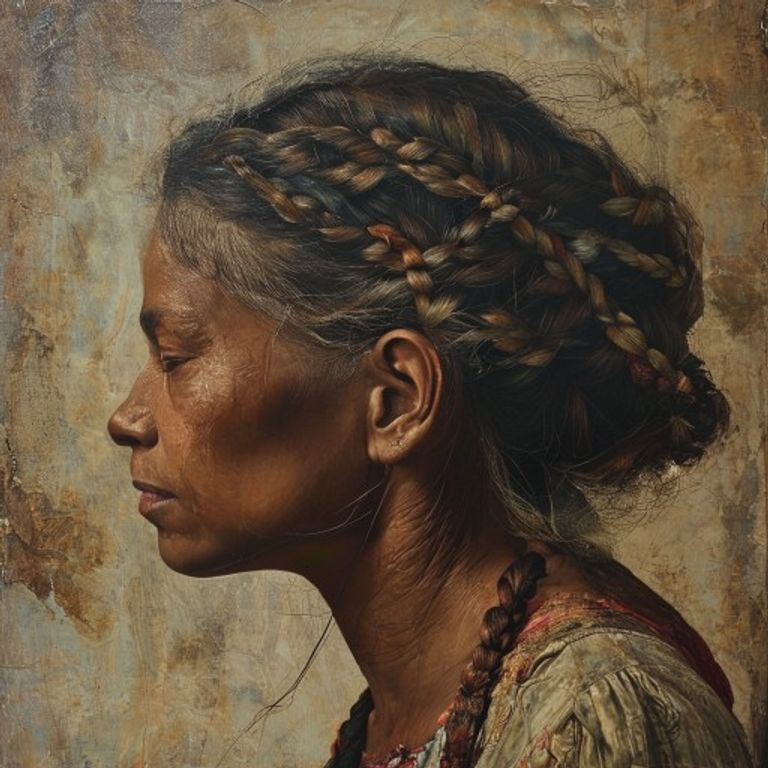
"The grandmother braids the morning into her granddaughter's hair"
tan skin, Latin American features
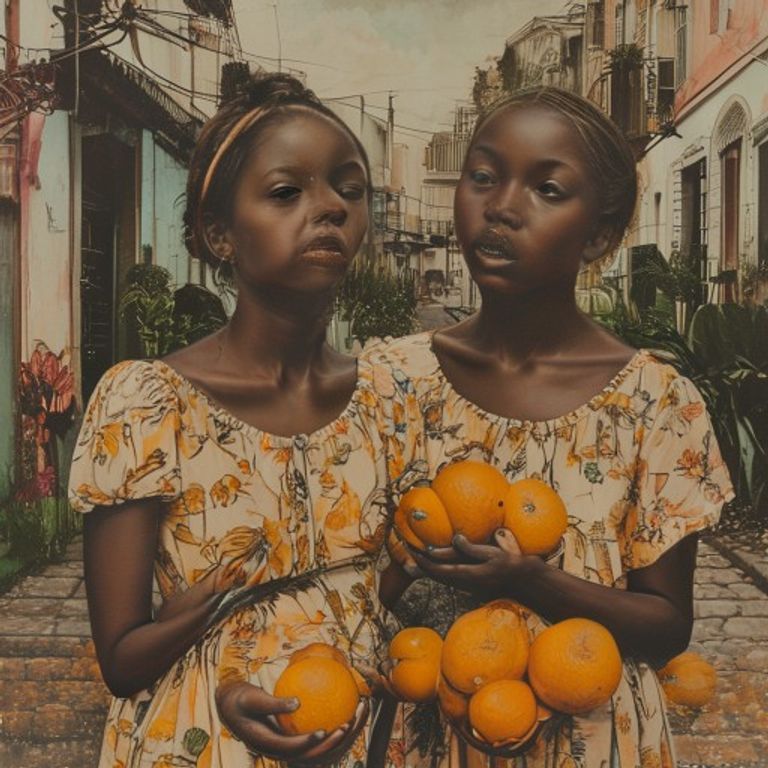
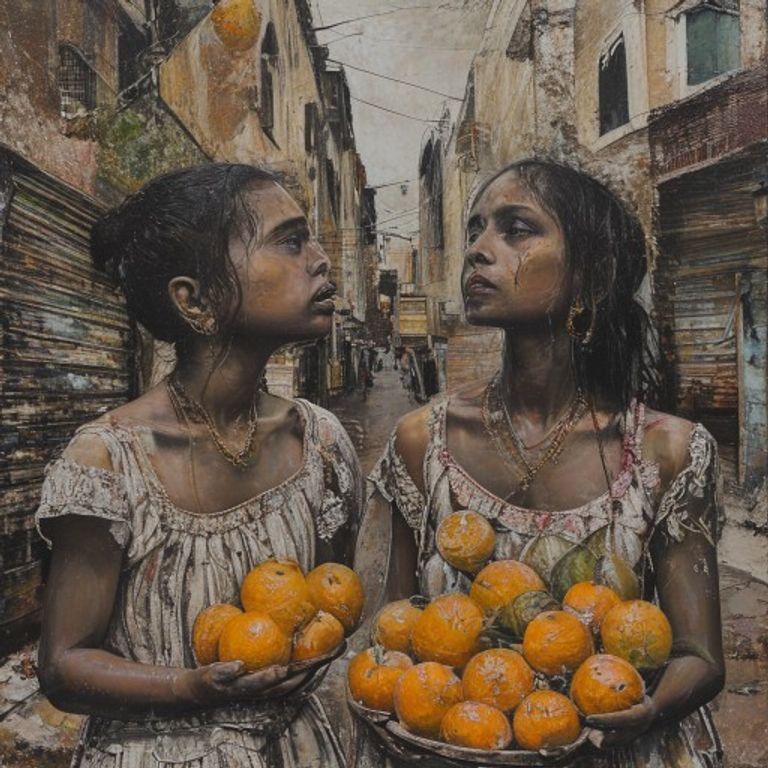
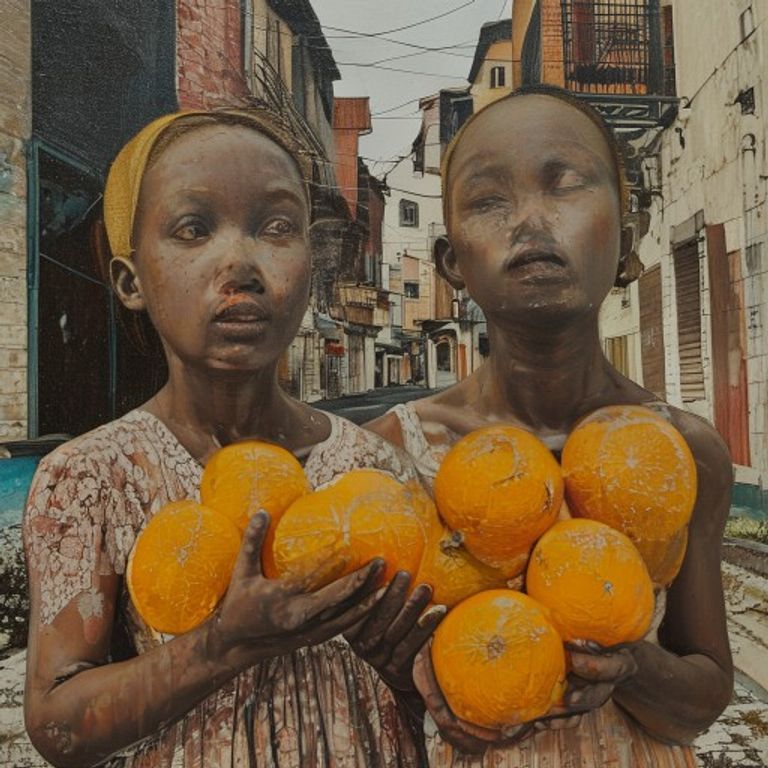
"Two sisters sell oranges that taste of thunder"
warm brown skin, Latin American features
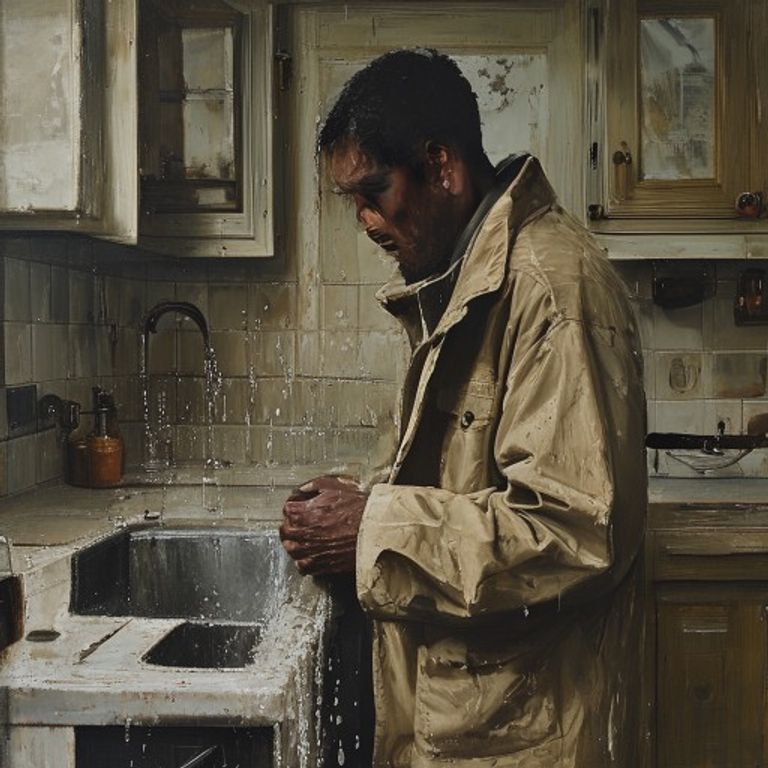
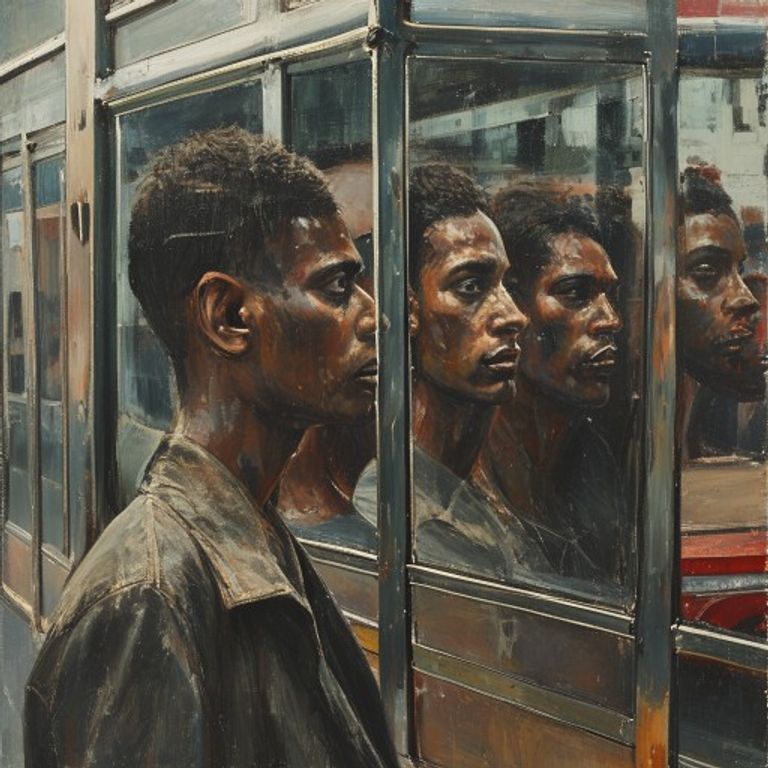
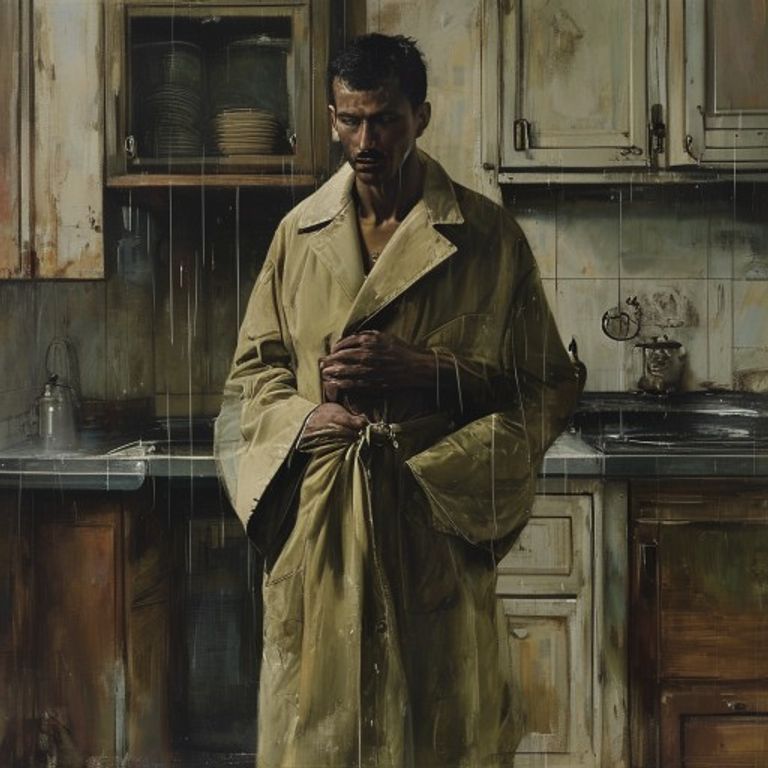
"He carried the rain home in his coat pockets"
tan skin, Latin American features
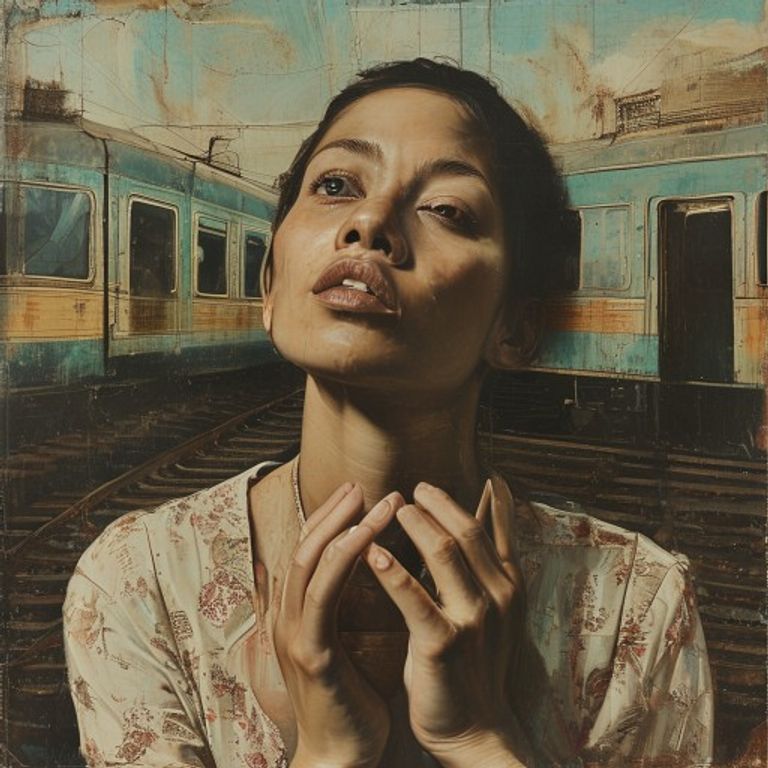
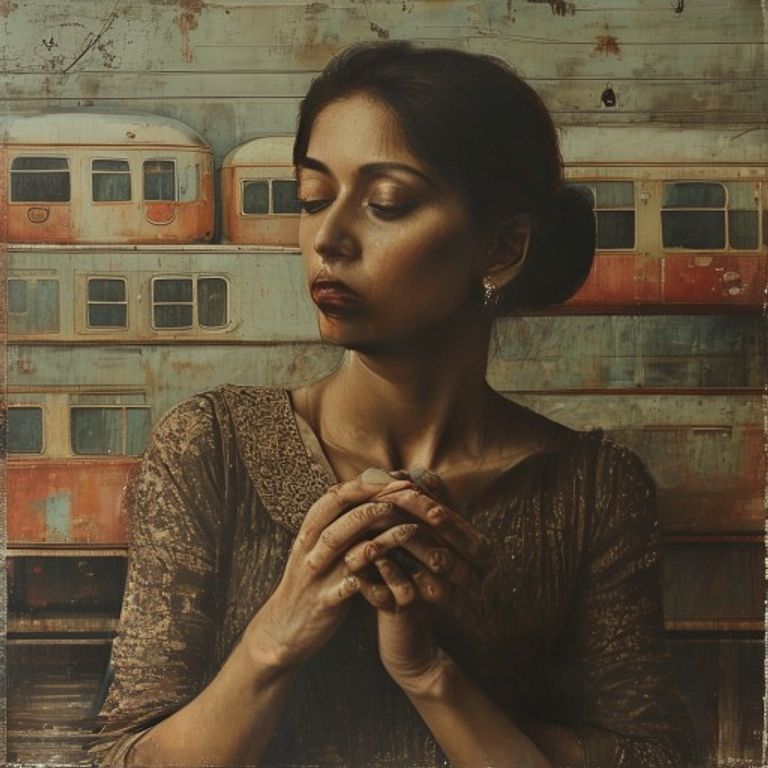
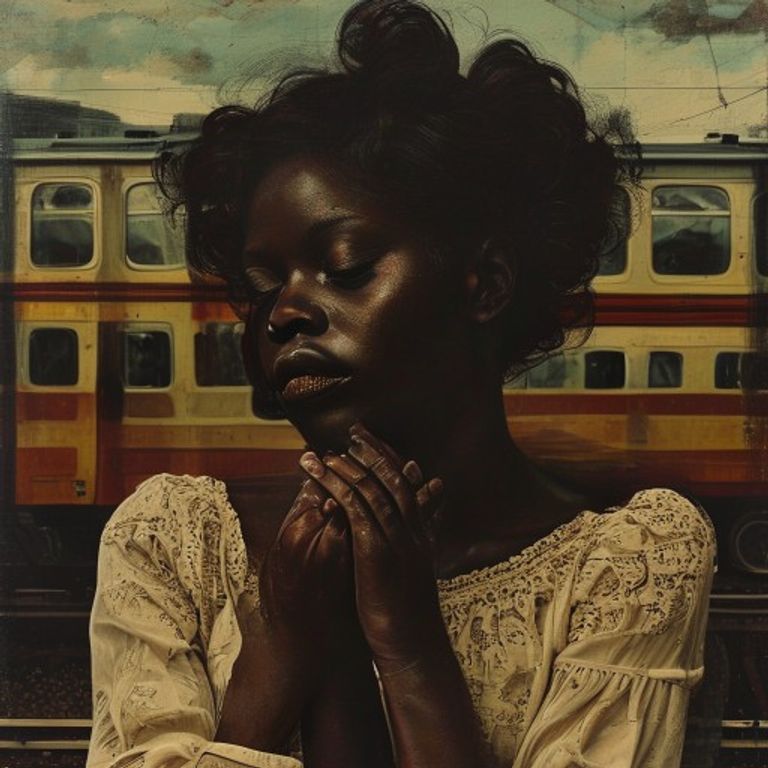
"A woman counts the trains she did not take"
light brown skin, Latin American features
Indians
First two use the live pool wording (South Asian features); last three use a sharpened
"Indian features" variant, which reads more distinctly Indian. Worth a look before deciding which to keep.
"The grandmother braids the morning into her granddaughter's hair"
brown skin, South Asian features (live wording)
"A man waits at the bus stop made of mirrors"
brown skin, South Asian features (live wording)
"Two sisters sell oranges that taste of thunder"
medium brown skin, Indian features (sharpened)
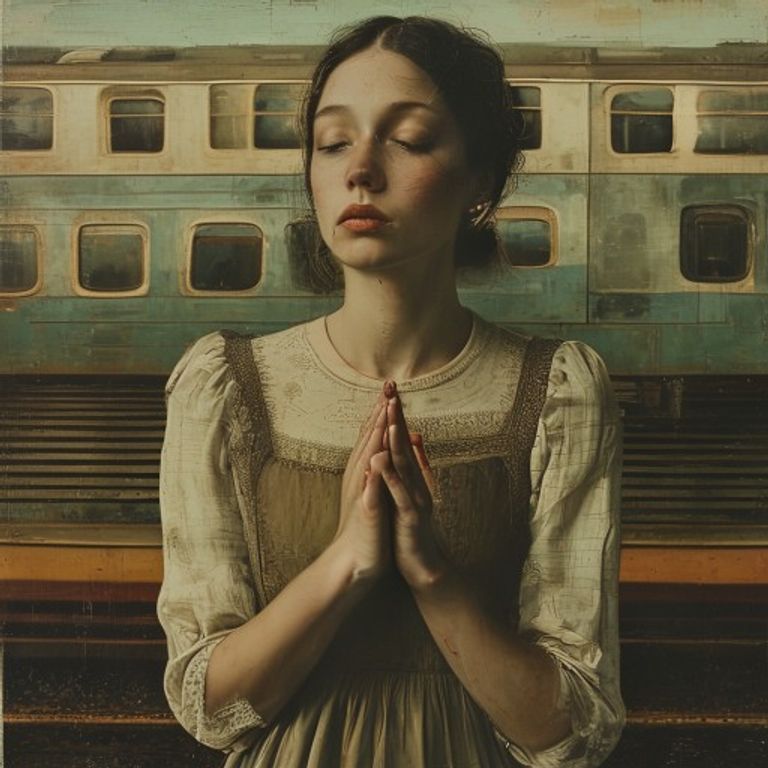
"A woman counts the trains she did not take"
medium brown skin, Indian features (sharpened)
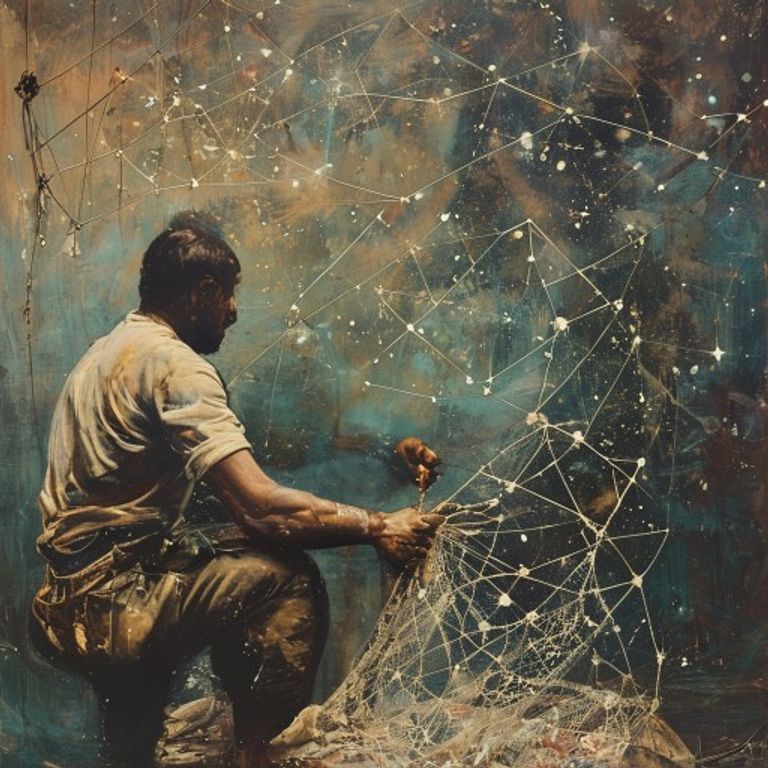
"The fisherman mends a net of constellations"
brown skin, Indian features (sharpened)
More of the range
Other pool entries on new poems, to show the breadth across one set of poems.
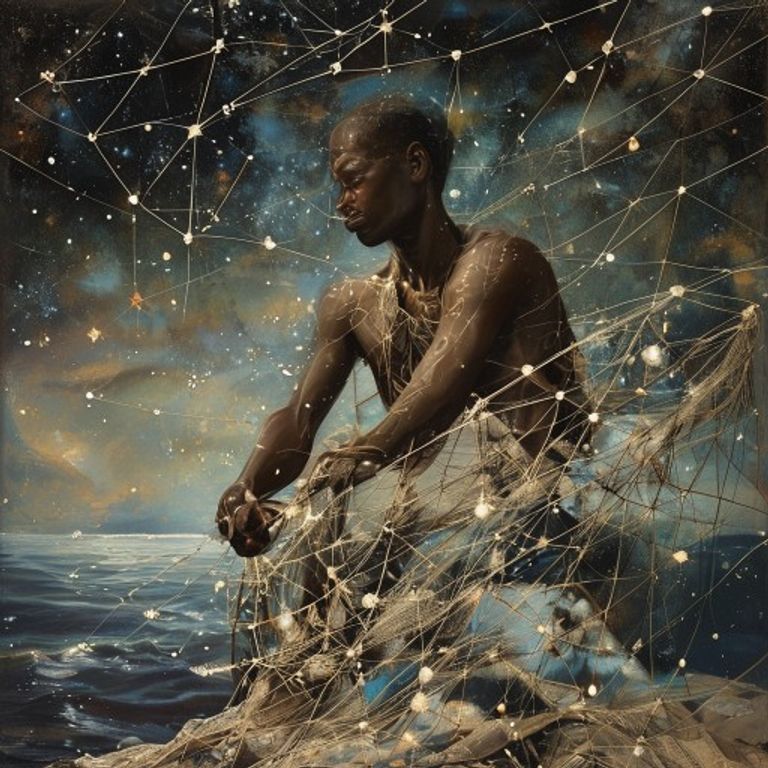
"The fisherman mends a net of constellations"
deep brown skin, West African features
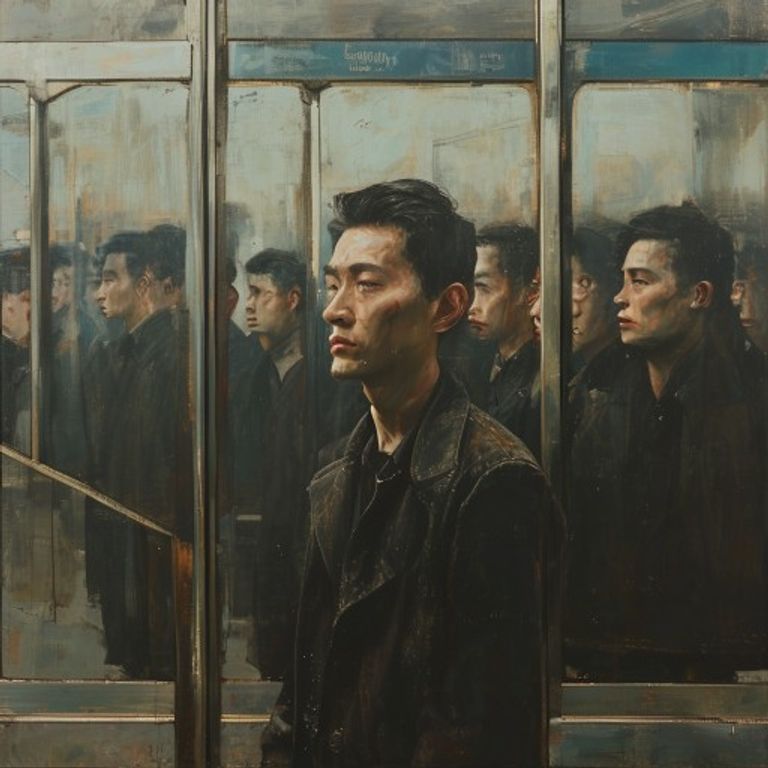
"A man waits at the bus stop made of mirrors"
fair skin, East Asian features
"He carried the rain home in his coat pockets"
olive skin, Middle Eastern features
"Two sisters sell oranges that taste of thunder"
light brown skin, Southeast Asian features
European and Caucasian
Northern European, Mediterranean, and Eastern European entries, plus an explicit
"Caucasian" variant, across fresh fabricated poems.
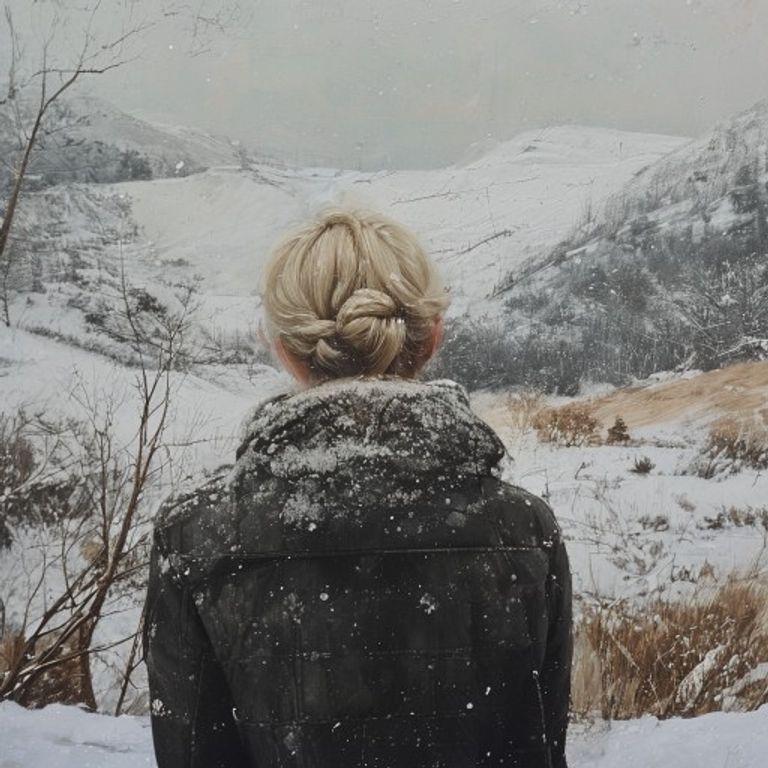
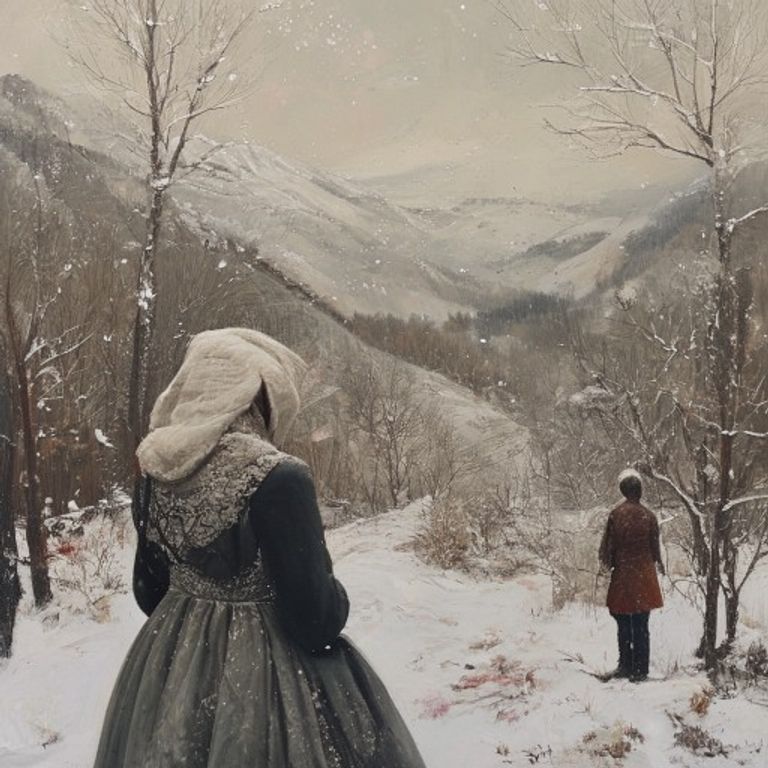
"The widow paints the snow back onto the hills"
fair skin, Northern European features
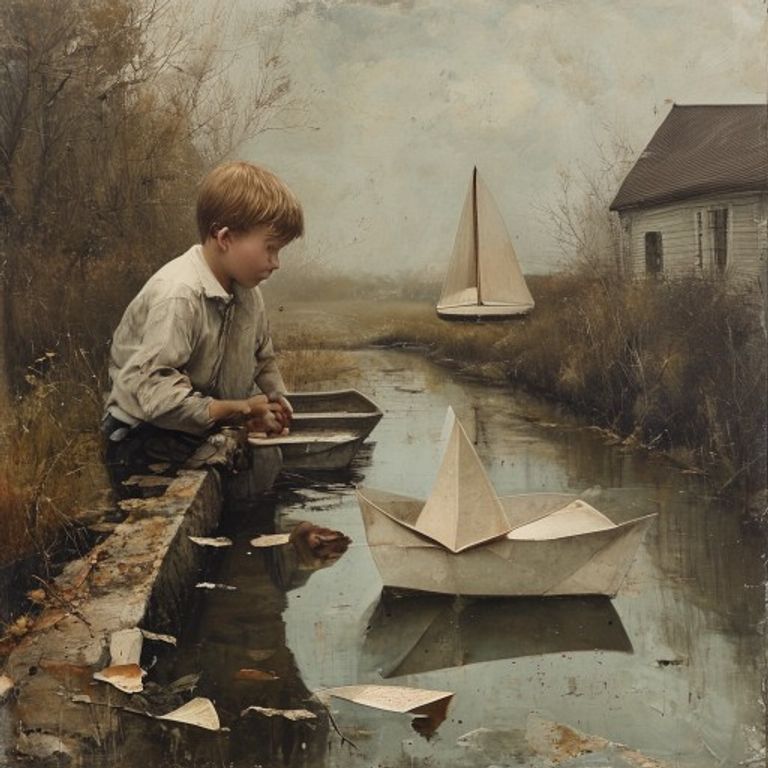
"A boy folds paper boats from his report cards"
fair skin, Northern European features
"The widow paints the snow back onto the hills"
pale Caucasian skin, Northern European features
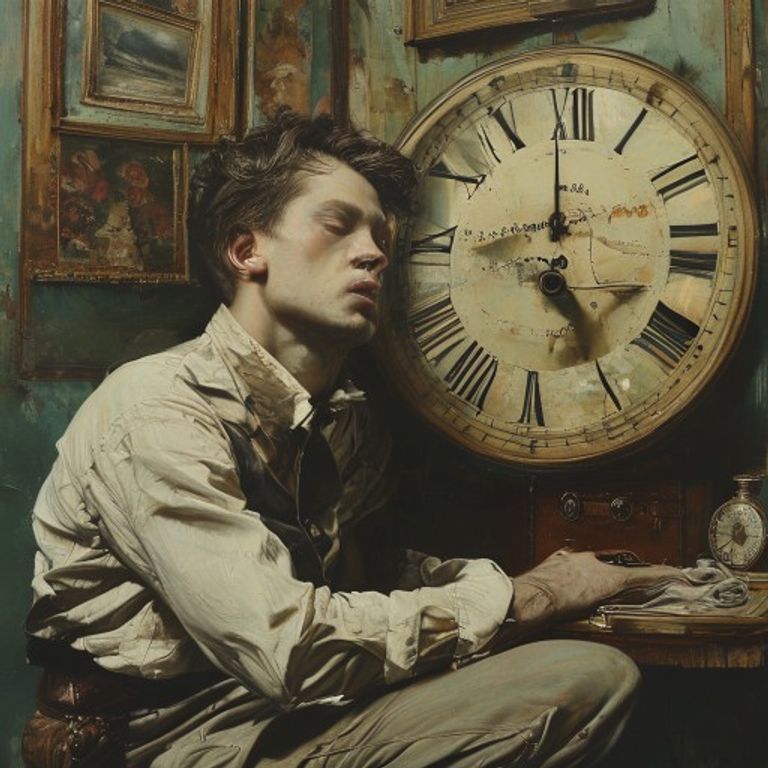
"The clockmaker falls in love with noon"
light olive skin, Mediterranean features
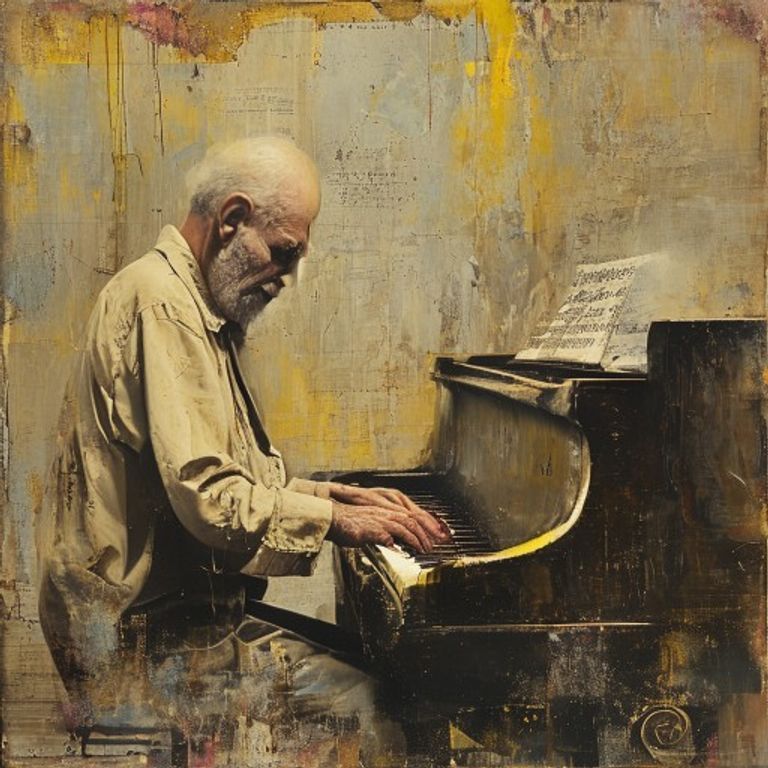
"An old man teaches the piano to forget him"
light olive skin, Mediterranean features
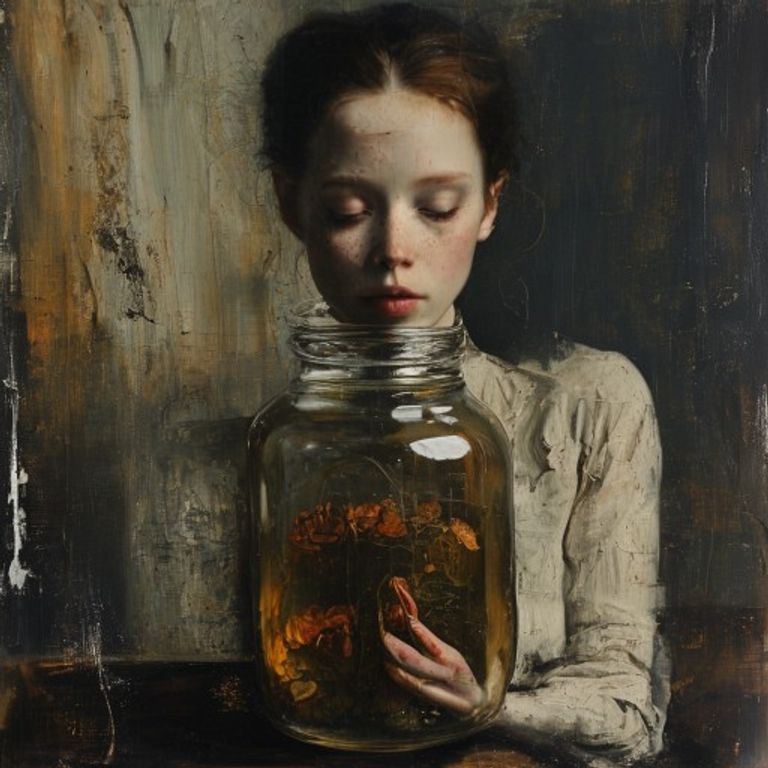
"She keeps her grandfather's silence in a jar"
fair freckled skin, Eastern European features
Earlier reference set
The original samples: your live 3NSRLW before and after, the old skin tone only pool, and the
abstract no person proof.
3NSRLW now
tan skin, Latin American features
3NSRLW before
olive skin, old pool
rich ebony skin
old skin tone only pool
olive skin
reads European, why we switched
abstract poem
descriptor present, stays abstract
The intentional fix
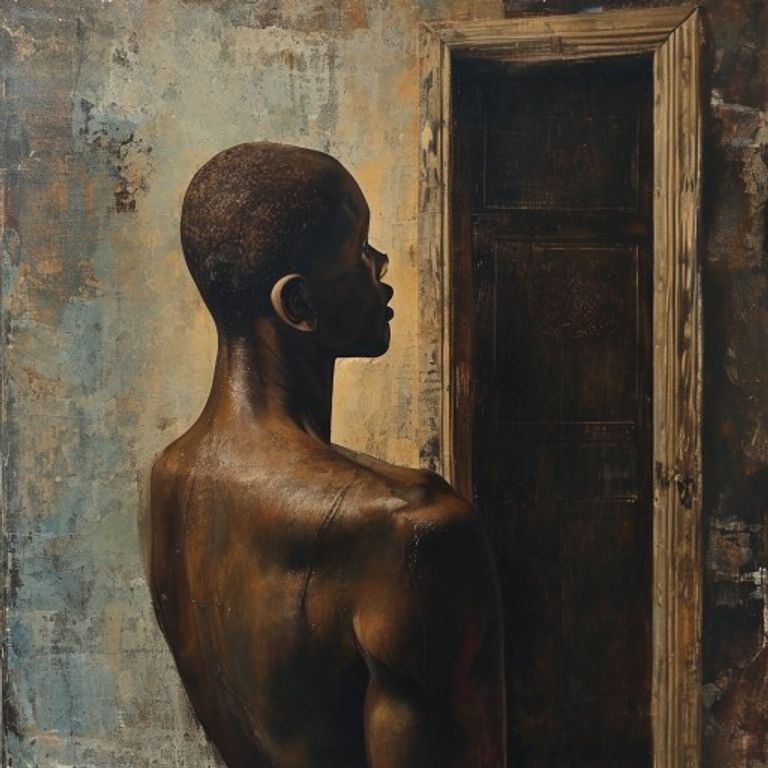
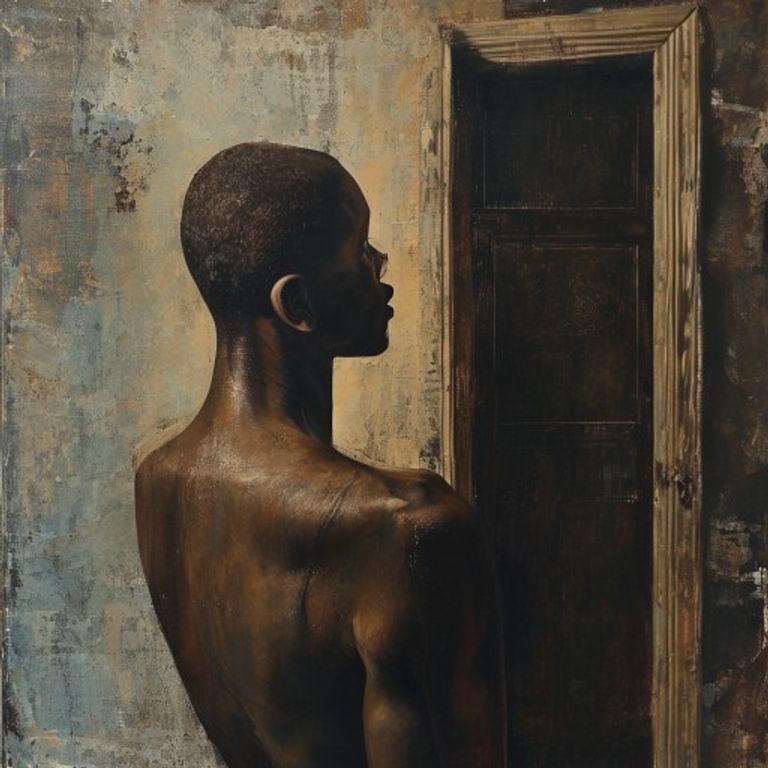
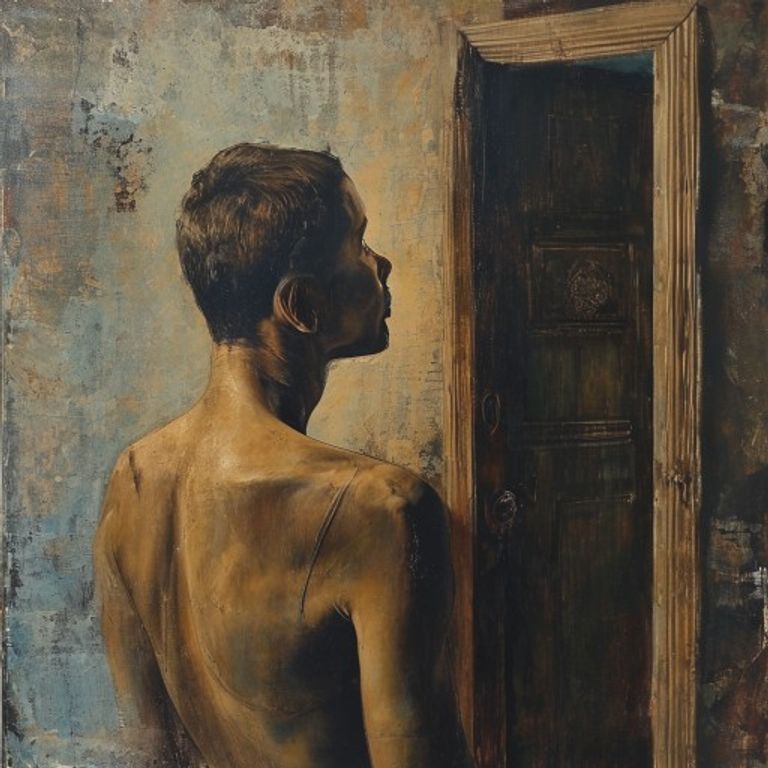
One poem, one fixed seed, every heritage in the pool. Only the descriptor changes, so the scene stays identical and only the face shifts. This is the fix in action: diversity chosen on purpose, not left to the model’s default.
“A figure looks back over one shoulder / at the door they did not close”
West AfricanEast AfricanIndianFilipino / VietnameseEast AsianCentral AsianMiddle EasternLatin AmericanIndigenous AmericanPacific IslanderMediterraneanNorthern European
Notice the background never changes. The wall, the door, and the light stay identical across all twelve. Because the descriptor only touches the person, the prompt no longer ties socioeconomic status to the race token. The model varies who appears without quietly handing them a poorer or a richer world.